When people hear that an agency has fewer than 20 people, some assume it can only take on small projects, or that it will struggle when the work gets complicated. In our experience, the quality of an agency’s work isn’t determined by the number of team members, but the skills and experience of its team members. Paper Crane is small on purpose. Every person on our team is an experienced specialist in the work they do, and when a project needs skills outside our core, we bring in partners who are specialists in theirs.
This article is a look at what working with, and working at, a small agency is really like. Large agencies do great work and have real strengths, but we want to show you what small agencies bring to the table and what advantages being small gives them.
What makes a small agency different?
A small agency is usually focused on an industry or set of skills to deliver precise work within their area of focus. A full-service agency aims to cover everything a client could need under one roof, from strategy and creative to media and public relations, and it typically has layers of account management, project management and leadership between the client and the people producing the work.
Neither model is wrong, because they are designed to do different things well. The full-service model gives clients one contract that covers every discipline. The small-agency model gives clients direct access to the experienced people doing the work, with fewer handoffs in between.
In our experience with both agency structures, we’ve noticed some patterns that spark joy for us when working at and supporting clients through a small agency structure.
The Ole “Bait and Switch”
The bait and switch is a pattern clients run into when the people who sell the work are not the people who do the work. Senior leaders lead the pitch, the client signs, and the project is then handed to a more junior team, often at rates that reflect the seniority in the room.
This can happen at an agency of any size, and plenty of larger agencies work hard to avoid it. It is less likely at a small agency for a practical reason: there is no separate bench of staff to hand the work to. At Paper Crane, the people you meet in the pitch are the people who work on your project.
Whichever agency you're considering, asking a few questions during the pitch will tell you a lot:
- Will the people in this meeting be the ones doing the work on our project?
- Who will be our day-to-day contact, and what is their role on the project?
- How do you handle it when a project needs more hours than you estimated?
- Who do we talk to if a deliverable isn't meeting our goals?
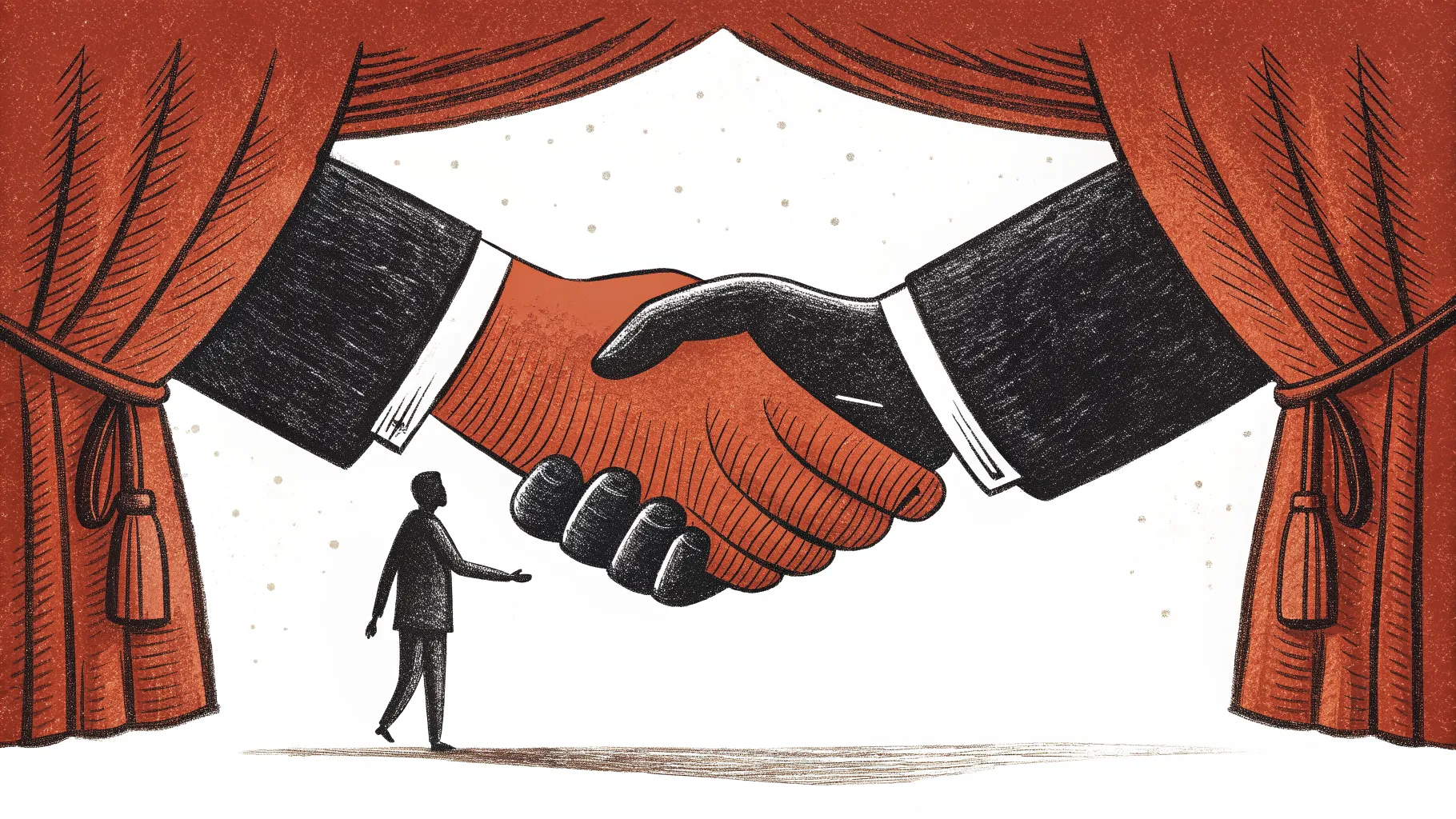
Cut Out the Game of Telephone
In a larger agency, a client's request usually passes through several people before it reaches the designer, developer or writer doing the work. An account manager hears the request and passes it to a project manager, creative lead or brief, and the instruction eventually reaches the team. By the time a directive arrives, the person executing it may not know why the client asked for it, and the person who passed it along may not have understood what it would mean for the campaign or the build. When that happens, the team is often simply told to get it done.
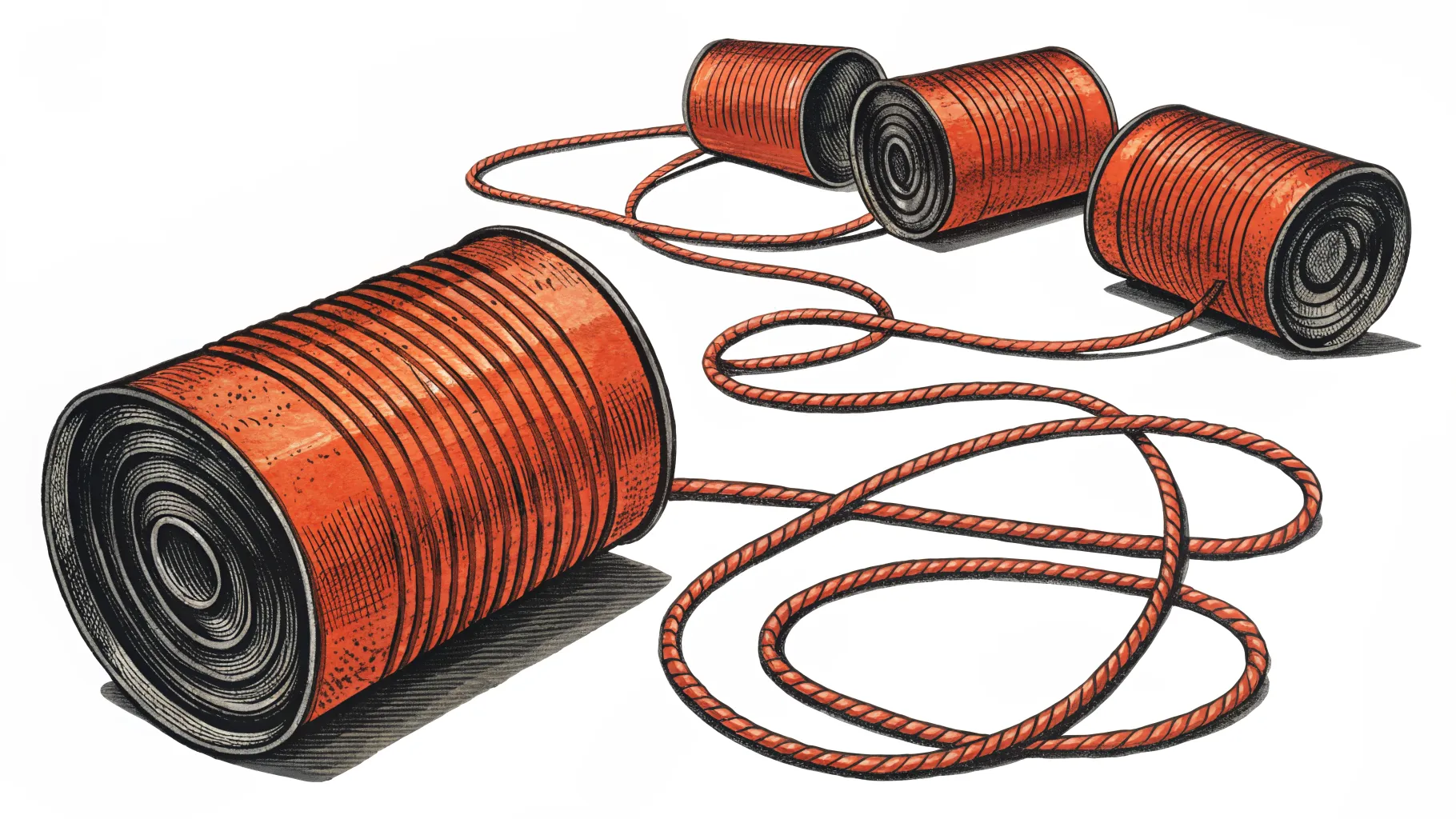
The results are familiar to anyone who has been on either side of this. Work gets redone because the original intent was misunderstood, timelines stretch, and the budget absorbs the extra hours. Clients rarely see where the information broke down; they only see a project that is late or over budget.
At a small agency, clients usually talk directly with the people doing the work. When a request comes in, the designer or developer can ask the client directly where it's coming from and how it connects to the client's goals. Sometimes the right answer is to do exactly what was asked. Other times there is a better way to reach the same goal, and because the conversation is direct, we can recommend it. That back-and-forth leads to better results for the client than agreeing to every request.
Keeping Nimble
Small agencies take a narrow approach and focus on the areas we know deeply, which, at Paper Crane, means strategy, creative, websites, software and automation. When a project needs expertise outside that core, we bring in partners who specialize in that area, and we collaborate with them directly.
A small agency also can't afford to hire people who aren't ready to do the work. There is no room in the budget for someone who needs months to get up to speed. As a result, the people on your project are experienced in their field, and they do the work themselves rather than supervising someone else who does.
Fewer layers also make the team more nimble. When something changes mid-project, the decision doesn't need to travel up and down an org chart. The people involved can talk, agree on a path and get back to work, which keeps turnaround times short.
Keeping You a Priority
Small agencies tend to keep the playing field level. Our clients range in size, and each one represents a meaningful part of our work, so each one gets the same attention from the same experienced people. We aren't balancing a few flagship brands against everyone else, so a growing business receives the same care and expertise a larger organization would. We wrote about a related idea in why we're a good fit for non-profits.
Stretch Your Budget Further
A small agency carries much less overhead, with fewer layers of management, fewer departments to support and less office space to pay for. Those costs are reflected in agency rates, so when they're lower, more of your budget goes toward the work itself.
Small agencies can also respond to change quickly. When a client needs to adjust the scope or direction of a project, the team can talk it through and adapt without waiting on approvals from several departments. Because of this, overall timelines tend to be shorter at a small agency.
The Myth of Stability
Stability is one of the most common concerns clients raise about small agencies, and it deserves an honest answer, because both models carry risk. The risks are simply different.
Over the last number of years, many agencies have merged or grown by acquiring specialized shops. For a client, this can mean your point of contact changes several times during the relationship, and each new person has to get up to speed on your account, sometimes without a complete handoff.
At small agencies, the risk looks different. We call it the tombstone client problem: when one client makes up a large share of the work, losing that client, or losing two, can hurt the whole business. Small agencies can grow quickly to ten or a dozen people and shrink back down just as quickly if key accounts leave, and they sometimes have to make difficult staffing decisions when that happens.
That same reality is part of why small agencies take such good care of their clients. We know exactly how valuable each client relationship is to us, so we are willing to put in the time and effort to make sure every client is happy.
A Small Agency Career
Working at a small agency is a different career experience from working at a large one. For people who like to learn and want to see the full picture of how projects come together, it can be a great place to grow. In an Ipsos poll, 63% of Canadians stated that given the choice, they would prefer to work for a small business (defined in the survey as up to 10 employees) compared to only 37% who preferred a large enterprise (over 100 employees).
You learn faster because you're closer to everything
At a small agency, team members usually work in a much broader capacity than their job title suggests. You talk with clients directly, which teaches you how to manage relationships and expectations much earlier than you would in a larger organization. You also work closely with the strategists, designers, developers and writers on every project, so you see everything it takes to deliver the work, from the first conversation through to launch. Responsibilities can range from making the coffee to helping write contracts and, for anyone who wants to expand their skills, that range is valuable.
You hear the client's feedback (and praise) firsthand
Because team members are in the meetings, they hear how clients feel about the work directly. When a client says a website or campaign turned out better than they hoped, they are saying it to the people who built it, rather than through a testimonial or an account director.
You can trust the person you hand work off to
On a small team, everyone is experienced in their own area. When you hand a project to a colleague, you know they understand the deliverables and how to implement them, and that they will handle the work with the same care and professionalism you would. In larger organizations, handoffs can be less certain, because you may not know who will pick up the work or how much context they'll have. That trust is a big part of why projects at small agencies tend to finish with work the whole team is proud of.
Transparency and care replace office politics
There is very little room for office politics at a small agency. Nobody needs to work different angles or lobby the right people to move into a new role, because everyone is on the same team, everyone works hard, and when something goes wrong, everyone shares the responsibility. Team members also see more of how the business runs, which gives them a level of transparency that larger organizations rarely offer.
Small teams tend to become close, too. People know what's happening in each other's lives, and when someone is going through a hard time, the whole team shows up to support them, not only their direct manager. One of us learned this early in our career from a creative director who told her team that if their family called, they should take the call, even if they were in a meeting with God himself. Family and personal well-being came first. That principle has shaped how we run Paper Crane. The health of the company still matters, and we work to balance the two, but losing a good team member hurts a small agency as much as losing a client, so we make our people a priority.
Reality of Working at a Small Agency
A small agency is a great fit for many people, but it's worth being clear about what the experience is like from an employee's perspective.
You'll often go beyond your job description
At a small agency, it's common to be asked to do something that isn't in your job description, or to learn and grow beyond the role you were hired for. That doesn't mean you'll be doing everything all the time, but team members regularly pick up where someone else left off. If you enjoy absorbing new knowledge, this is a real advantage. If you prefer to stay focused on one specialty, it can be frustrating.
There are fewer support staff and creature comforts
Small agencies usually can't afford dedicated support roles such as office managers, assistants or event planners, the people who make it possible for everyone else to focus on a single job. Everyone pitches in, and being resourceful is part of the work. If you're used to someone else ordering lunch, tidying the kitchen or putting the coffee on, expect to do those things yourself.
It can be hectic
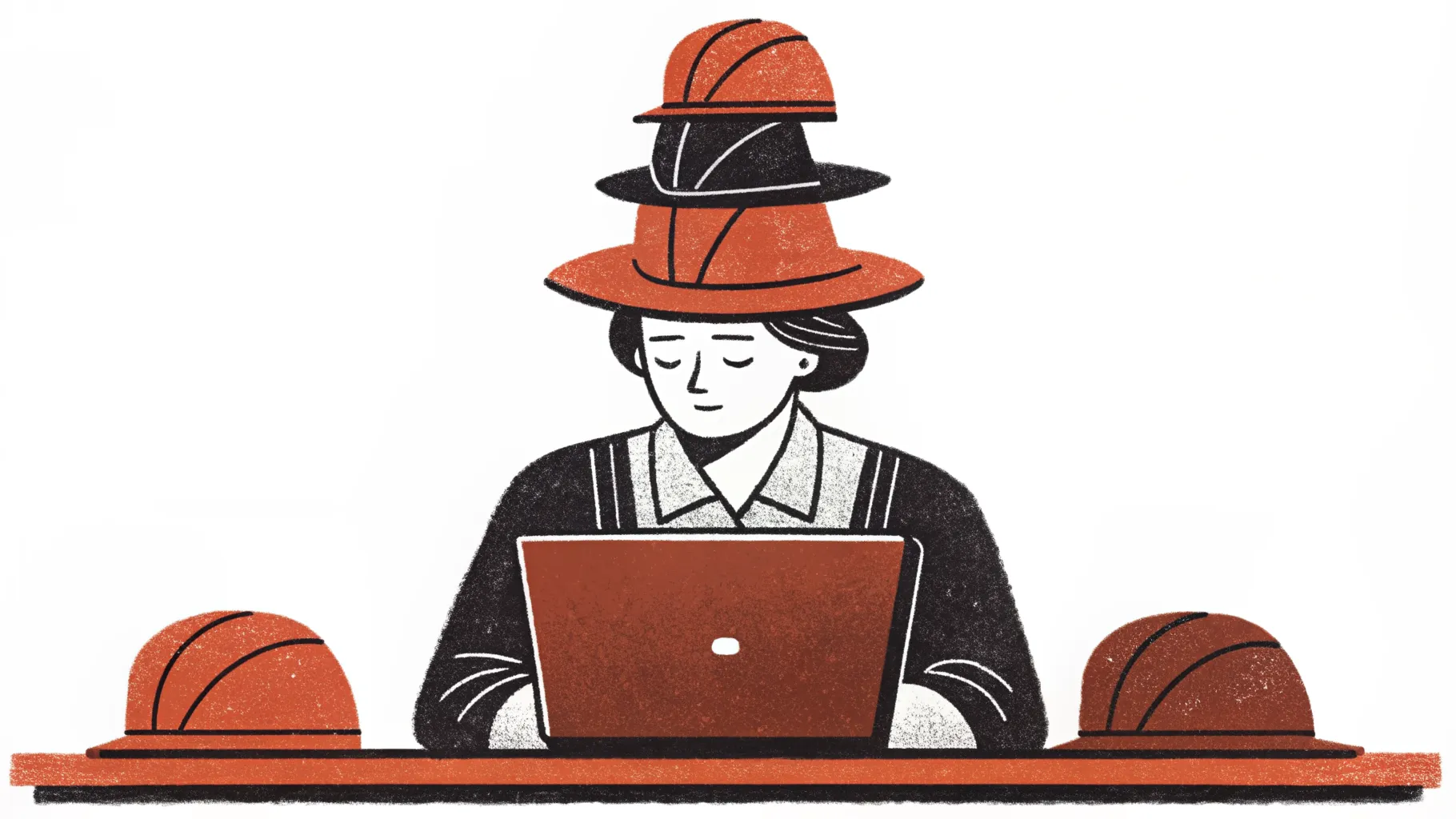
Every agency is hectic at times, regardless of size, because clients care deeply about their deadlines, and that brings emotion into the work. At a small agency, you'll feel those busy periods more directly, since everyone is wearing several hats at once.
You're closer to the business side
Team members at a small agency aren't shielded from business operations the way they might be at a larger company. Most small agencies share one open space, so conversations about a difficult client situation or a slow quarter are harder to keep private. Many people experience this as transparency, but if seeing business pressures up close would weigh on you, it's worth considering.
Processes are flexible
Small agencies generally work with flexible, agile processes rather than rigid, step-by-step ones. A heavy process can slow a small team down, so we adapt our approach to each project. This usually works out well for clients, but people who prefer a highly structured, process-driven environment may find it stressful, especially at first.
Is a small agency right for you?
For clients, a small agency is a strong fit if you want direct access to experienced specialists, clear communication with the people doing the work, a budget that goes toward the work rather than overhead, faster turnaround and the same level of care no matter your size. It's worth asking any small agency how they handle capacity during busy periods and which partners they work with for services outside their core.
For people considering a job at a small agency, it's a strong fit if you want to learn quickly, work directly with clients, collaborate across every discipline and be part of a close, transparent team. It's a harder fit if you prefer a narrowly defined role, a large support staff or rigid processes.
Small agencies aren't limited by their size. They're specialized by design, and for the right clients and the right people, that specialization is a real advantage. If you'd like to see how we work, take a look at our services or get in touch.